Why I Stopped Following Recipes and Started Cooking Instead
For years I measured everything twice and tasted nothing. Then a winter power outage and a half-empty fridge taught me to trust my own tongue over the printed page.

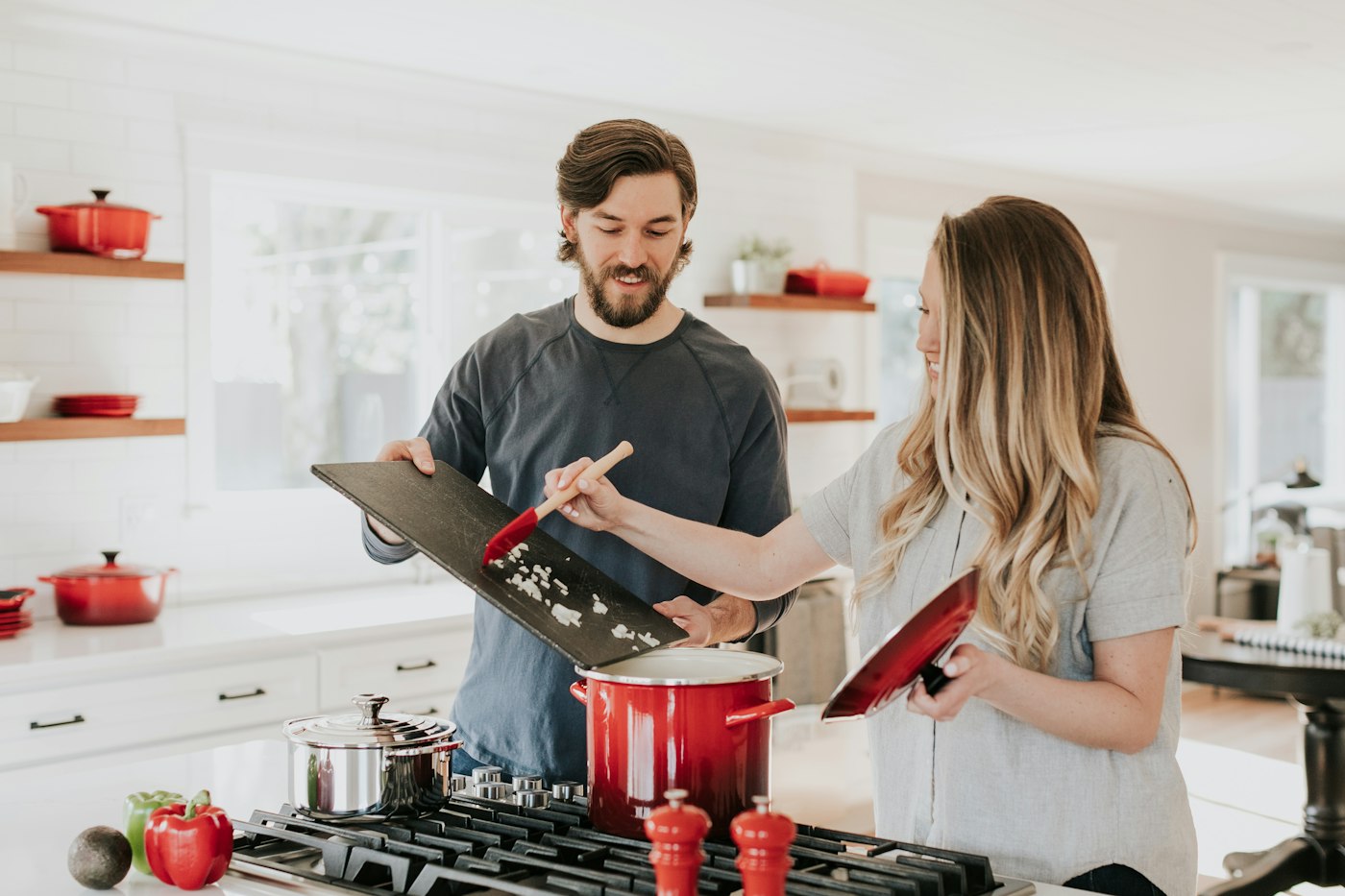
For the first ten years I cooked, I followed recipes the way some people follow GPS directions — completely, anxiously, and without ever learning the route. I measured the salt into a little dish first. I owned three sets of measuring spoons so I'd never have to wash one mid-recipe. If a recipe said a clove of garlic and I had only enormous cloves or only tiny ones, I genuinely didn't know what to do. I was a careful cook and, I'm now fairly sure, not a very good one.
What broke the habit was an ice storm. A February one, the kind Wisconsin specializes in, where the power goes out at dusk and the whole street goes dark and quiet. I had a gas stove that still lit with a match, a fridge slowly warming, and a dinner I'd planned that needed an oven and an ingredient I no longer had time to go buy. No internet to look anything up. Just me, a pan, and whatever was about to go bad.
Cooking in the dark
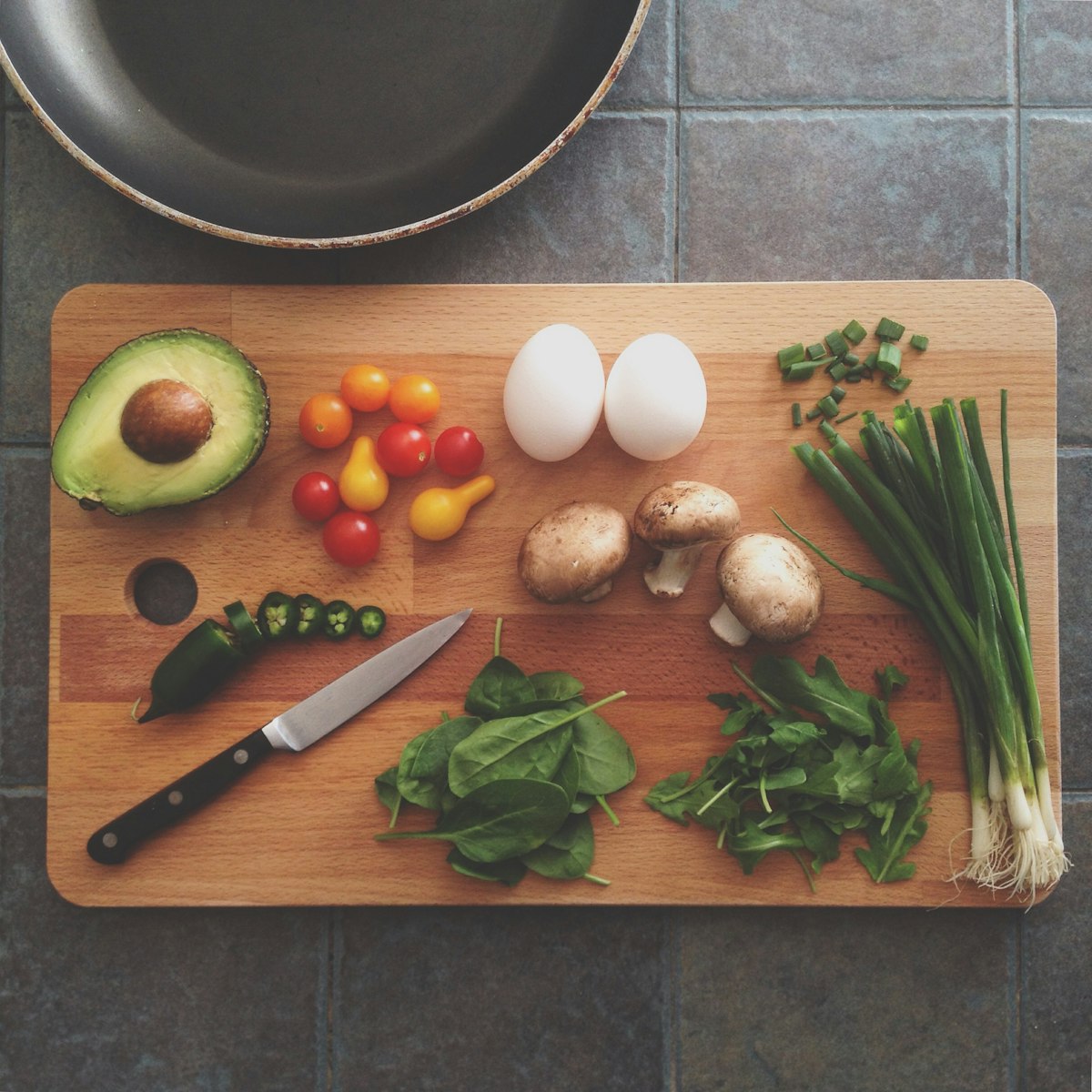
So I cooked. There was an onion, the end of a bag of rice, some wilting spinach, a couple of eggs, half a lemon. I cooked the onion slowly because there was nothing else to do and nowhere to be. I added the rice and some water and guessed. I tasted it — actually tasted it, not as a formality at the end but the whole way through — and it was flat, so I added salt, and then more, and suddenly it was food. The lemon at the end made it taste alive. I cracked the eggs on top and let them set in the residual heat.
It was, by candlelight and standards, one of the best things I'd made all year. And I couldn't have written it down if you'd asked me. There was no recipe. There was just a series of small decisions, each one made by tasting what was in front of me and asking what it needed next.
A recipe can tell you what worked once, in someone else's kitchen, with their oven and their salt. Only your own mouth can tell you what's happening in yours.
I want to be careful here, because this is the part where food writers usually get insufferable. I am not telling you to throw out your cookbooks. I love recipes. I write them. This entire website is recipes. What changed for me wasn't that I abandoned them — it's that I started reading them differently: as somebody's notes on what worked, rather than as instructions I'd failed if I deviated from.
What a recipe is actually for
A good recipe teaches you something you can carry to the next dish. Roast vegetables hot and don't crowd the pan. Salt beans early. Brown the onions more than feels reasonable. Add acid at the end and the whole thing wakes up. Once those ideas are in your hands, you stop needing the specific recipe that taught them to you. You've kept the lesson and let go of the worksheet.
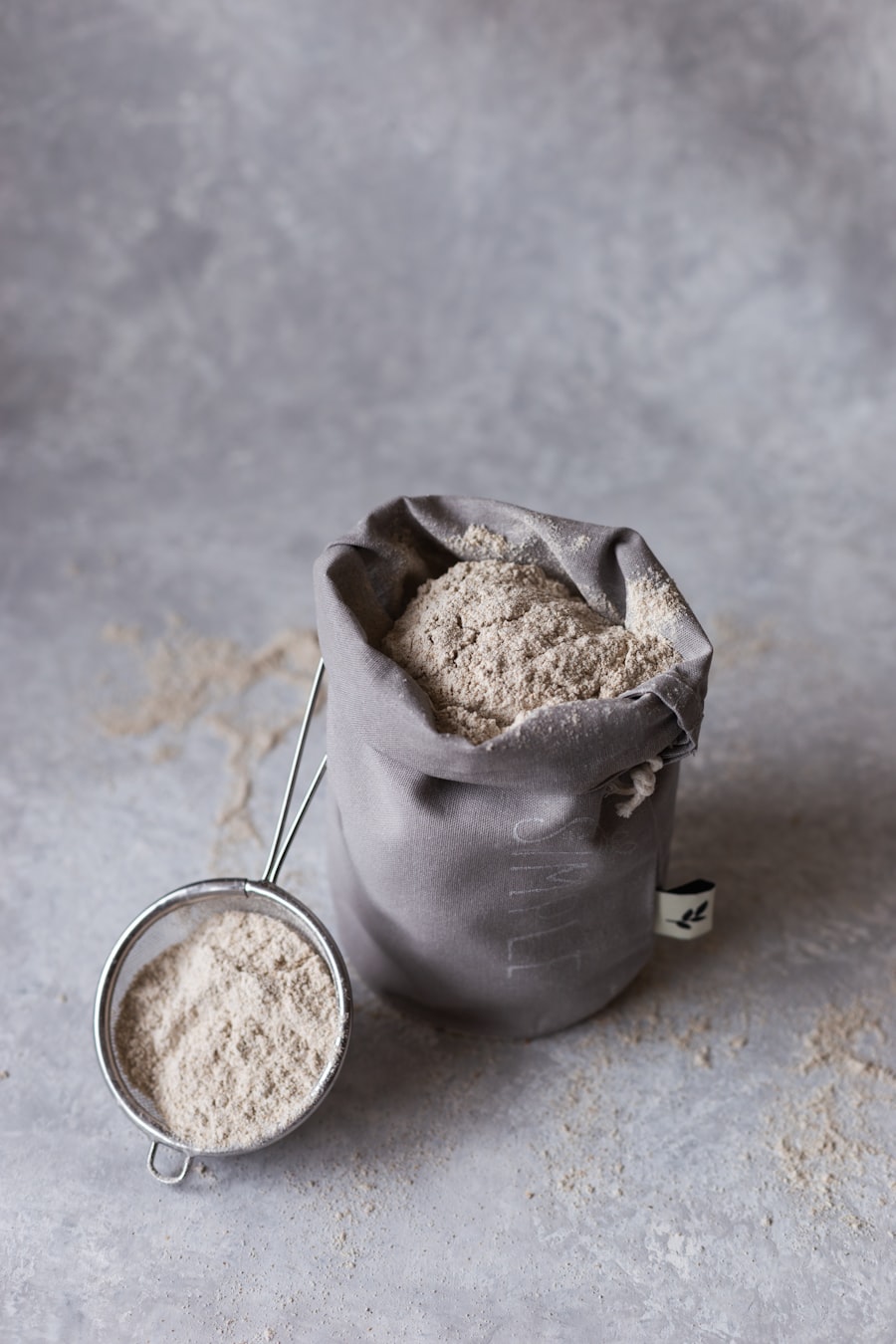
The measuring never fully went away, and it shouldn't. Baking is chemistry and I still weigh my flour to the gram, because there a guess really can sink you. But for a pot of soup, a pan of vegetables, a weeknight bowl of pasta? The recipe gets me into the neighborhood. My tongue takes it the rest of the way home.
How to start tasting
If you want to try this, the move is almost embarrassingly simple: keep a spoon next to the stove and use it constantly. Taste the soup before you season it and after, so you learn what salt actually does. Taste the raw and the cooked. Taste something and ask one question — is it flat, is it dull, does it need brightness, does it need fat — and then do the one thing that answers it. Salt for flat. Acid for dull. A knob of butter or a thread of oil for thin.
You will get it wrong sometimes. I oversalt things to this day. But a slightly oversalted soup you understood is worth more than a perfect one you simply obeyed, because the first one taught you something and the second one taught you nothing.
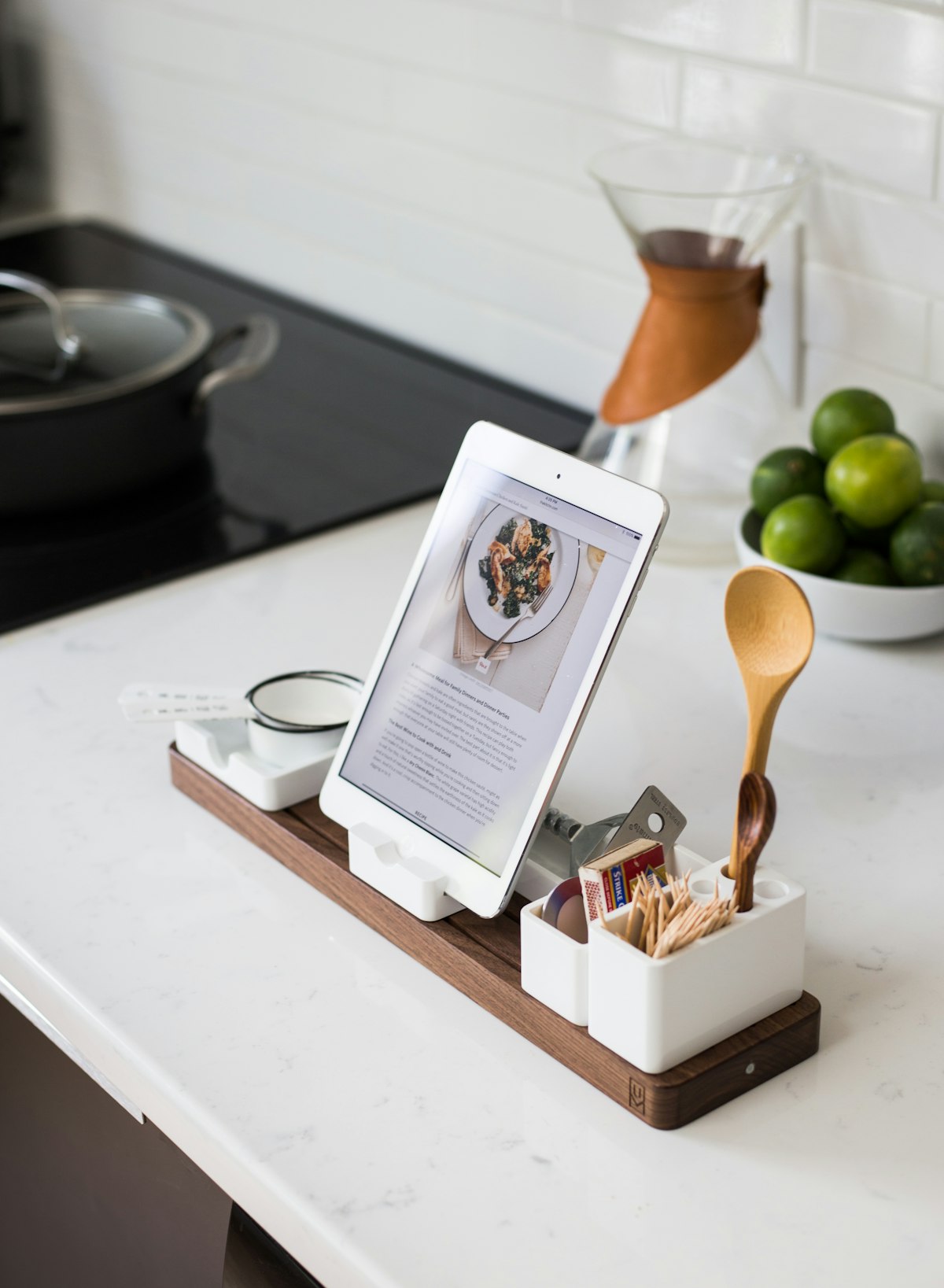
The ice storm dinner is still, technically, not a recipe. But I've made versions of it dozens of times since — different vegetable, different grain, always the onion cooked patiently and always the lemon at the end. That's the funny thing about learning to cook without a recipe. You don't end up with fewer dishes you can make. You end up with more, because each one is really just a question you've gotten better at answering: what does this need next?
Nora Brandt
Nora started The Plain Table as a notebook by the stove in 2020 and still does most of the cooking and writing. She cooked in restaurants for ten years before deciding she'd rather feed people at home, and keeps a spoon by the stove at all times.