Brown Butter Roasted Carrots with Crispy Sage
The carrots go in raw and come out with blistered, candied edges. A quick brown butter and a handful of fried sage turn a cheap bag of carrots into the best thing on the table.

Every fall I forget how good a plain carrot can be, and every fall this dish reminds me. There's no trick to it beyond two things most people get wrong: roasting the carrots hot enough that the edges actually blister, and making a real brown butter instead of just melting some. Do both and you end up with something that tastes far more involved than it is.
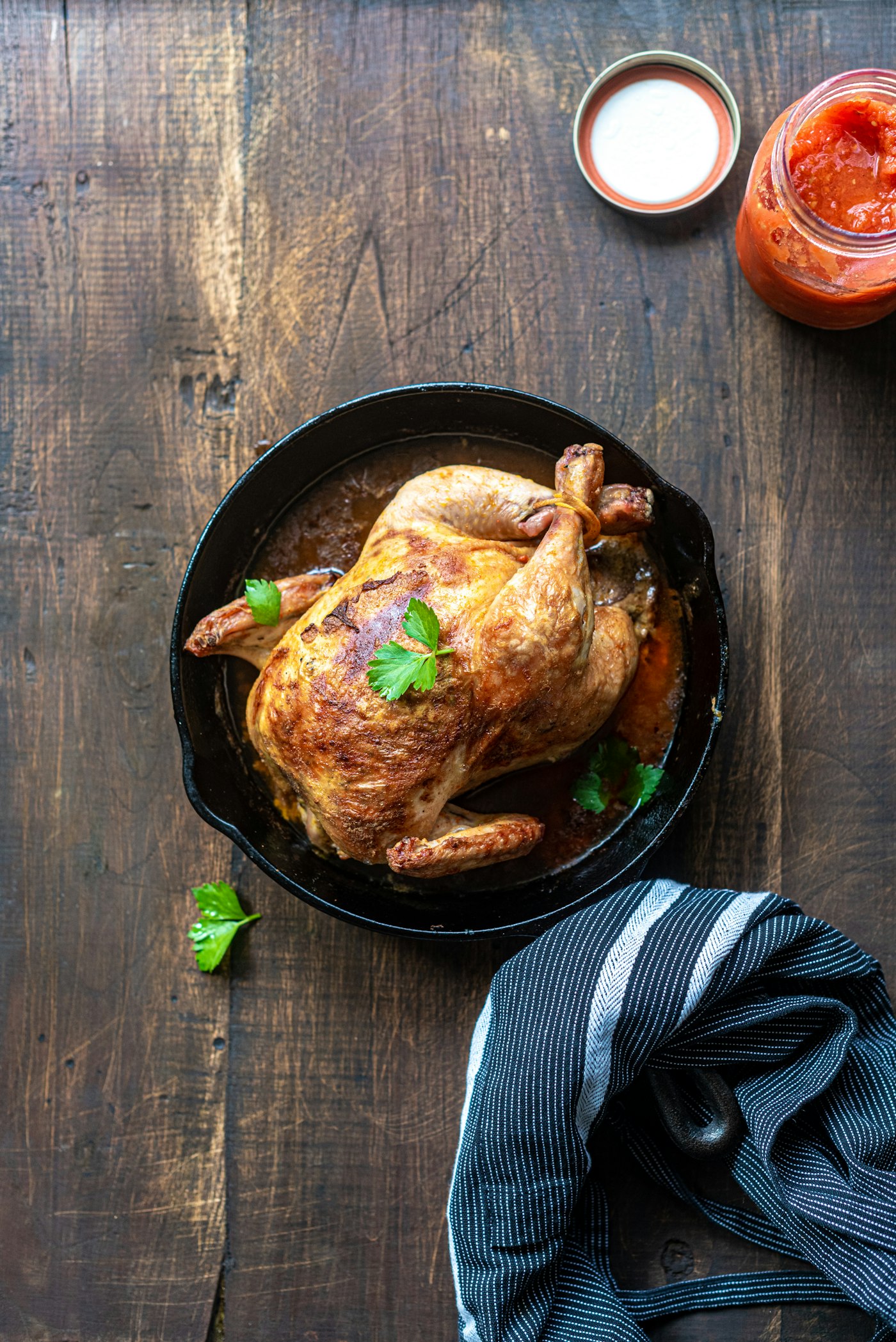
It has become our default vegetable for any table that needs one — a weeknight roast chicken, a holiday spread, or just a pan of these and a piece of bread when no one feels like cooking properly. Carrots are cheap and keep for ages, so it's a dish you can make on a whim in February as easily as October.
Why this works
Carrots are full of sugar, and dry, high heat is what coaxes it to the surface and caramelizes it. If you crowd the pan or roast too low, they steam in their own moisture and turn out pale and limp. We want the opposite: a single layer, a hot oven, and enough patience to let them take real color before you touch them.
The brown butter is the other half. Once the milk solids in butter toast, they go from yellow to a freckled amber and smell like hazelnuts and caramel. Poured over the hot carrots, it sinks into every blistered edge. The sage, fried for a few seconds in that same butter, turns brittle and almost nutty — a little savory crackle against the sweetness.
Ingredients
- 2 lb carrots (about 8 medium)
- 2 tbsp olive oil
- 3/4 tsp kosher salt, plus more to finish
- 1/2 tsp freshly ground black pepper
- 4 tbsp unsalted butter
- 16–20 fresh sage leaves
- 2 tsp honey or maple syrup
- 1 tbsp lemon juice or cider vinegar
- Flaky salt, to finish (optional)
Instructions
- Heat the oven to 425°F (220°C) and put a large sheet pan or oven-safe skillet on the middle rack to heat with it.
- Scrub the carrots (no need to peel) and halve them lengthwise. If any are very thick at the top, quarter those ends so all the pieces are roughly the same width. Toss with the olive oil, kosher salt, and pepper.
- Carefully pull out the hot pan and spread the carrots in a single layer, cut side down. Roast undisturbed for 20 minutes, then turn each piece and roast another 12 to 15 minutes, until deeply browned and tender at the thickest part.
- In the last few minutes, melt the butter in a small light-colored skillet over medium heat. Swirl often. It will foam, quiet down, and then the solids will turn golden-brown and smell nutty — about 3 to 4 minutes. The moment it does, drop in the sage leaves; they'll sizzle and crisp in 15 to 20 seconds. Pull the pan off the heat.
- Stir the honey and lemon juice into the brown butter. Taste and add a pinch of salt.
- Pile the carrots onto a platter, pour the sage brown butter over the top, and finish with flaky salt. Serve hot.
Don't move the carrots for the first twenty minutes. The urge to fuss is the single biggest reason roasted vegetables come out pale. — a note from the test kitchen

Notes & swaps
- No sage? Thyme or rosemary work, but add them to the butter a touch earlier since they're sturdier and won't crisp the same way.
- Make it a meal: spoon the carrots over a thick smear of ricotta or labneh and serve with warm flatbread.
- Bigger batch: use two pans rather than crowding one. Crowding is the enemy of browning.
- Ahead of time: roast the carrots earlier in the day and reheat at 400°F for 8 minutes, then make the brown butter fresh right before serving.
A last thing: save any brown butter that pools at the bottom of the platter. The next morning it's wonderful on toast with a fried egg, which is how I justify making a double batch of the butter every single time.
Nora Brandt
Nora started The Plain Table as a notebook by the stove in 2020 and still does most of the cooking and writing. She cooked in restaurants for ten years before deciding she'd rather feed people at home, and is firmly of the opinion that salt and patience fix nearly everything.